


For a St. George business owner, storage is more than a place to put extra boxes. The right unit can help manage seasonal inventory, protect equipment, clear space for customers, or support a move without interrupting daily operations. The wrong choice may create unnecessary driving, damaged products, or monthly costs that do not match the value of the space.
Before comparing monthly rates, consider which features will make storage easier and more predictable in Southern Utah’s climate and business environment.
Access Should Match Your Workday
Convenient access is one of the most valuable storage features for a small business. If employees need to retrieve signs, tools, merchandise, files, or event supplies several times a week, a facility with limited hours can quickly become frustrating.
Look for access hours that fit your actual schedule. A contractor may need materials early in the morning, while a retailer may be moving inventory after closing. If more than one person will use the unit, ask how entry permissions, access codes, and account contacts are handled.
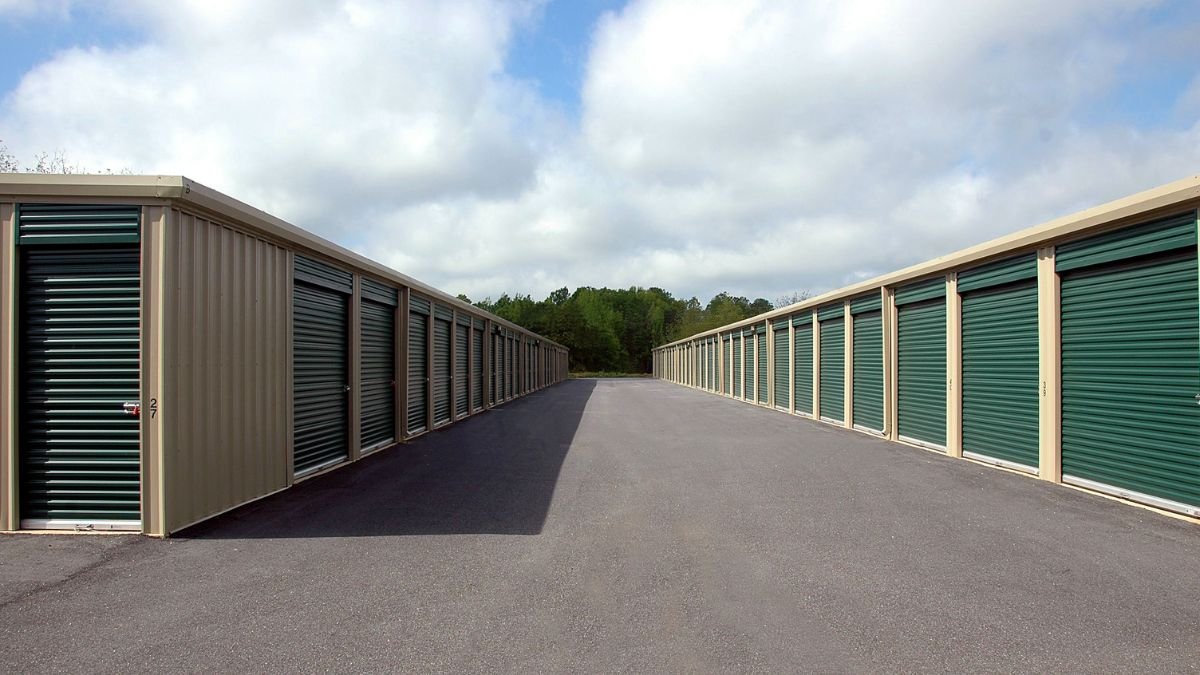
Drive-up access can also reduce loading time. Instead of carrying heavy items through hallways or elevators, staff can park near the unit and move supplies directly between the vehicle and storage space. That convenience may be worth more than choosing the least expensive unit available.
When evaluating storage units St George Utah, business owners should consider how often they will visit, what they will move, and whether the facility layout supports efficient loading.
Estimate Space by Function
A unit should be large enough to use safely, but not so large that the business pays for empty air. Start by separating items into categories:
- Inventory that needs frequent access
- Equipment used only during certain seasons
- Documents or records that can remain undisturbed
- Furniture, fixtures, or display materials
- Supplies that may be added throughout the year
Leave enough room for a walkway and avoid stacking items so high that employees cannot reach them safely. A slightly larger unit may be a better value if it prevents constant rearranging or allows inventory to be organized on shelving.
Climate and Security Deserve Close Attention
St. George’s hot, dry summers can affect products and equipment stored in poorly protected conditions. Heat-sensitive materials, electronics, paper goods, wooden furnishings, cosmetics, and certain plastics may require more care than basic outdoor storage can provide.
Ask whether the unit is climate-controlled or simply enclosed. Climate control may not be necessary for every business, but it can be a sensible investment when replacing damaged inventory would cost more than the monthly difference.
Security is equally important. Check for features such as gated entry, lighting, cameras, individual locks, and well-maintained access points. No security system eliminates every risk, but visible controls can help protect business property and support better accountability.
Keep an inventory of what is stored, including approximate values and serial numbers for higher-cost equipment. Photographing the contents when the unit is first organized can also make insurance documentation easier.
Flexible Terms Help With Seasonal Demand
Many St. George businesses do not need the same amount of space all year. Landscapers may store equipment during slower months. Retailers may need extra room before holiday sales. Event companies may require temporary space during busy seasons, while construction firms may expand storage during a large project.
Ask about month-to-month terms, notice requirements, rate changes, payment options, and the process for moving to a different unit. A low introductory rate may not be the best deal if the agreement makes it difficult to adjust later.
Also review whether business insurance covers items kept off-site. Storage facilities may have their own requirements, and a standard commercial policy may treat stored property differently from items at the main workplace.
Choose the Feature That Reduces Your Biggest Cost
The best storage unit is not always the one with the lowest advertised price. It is the one that reduces a specific business burden. For one owner, that may mean shorter loading trips. For another, it may mean better protection for inventory or room to operate without leasing a larger storefront.
Compare the total value of location, access, space, protection, and flexibility. A well-chosen unit can keep the workplace organized, preserve usable inventory, and give a growing business room to respond when Southern Utah demand changes.