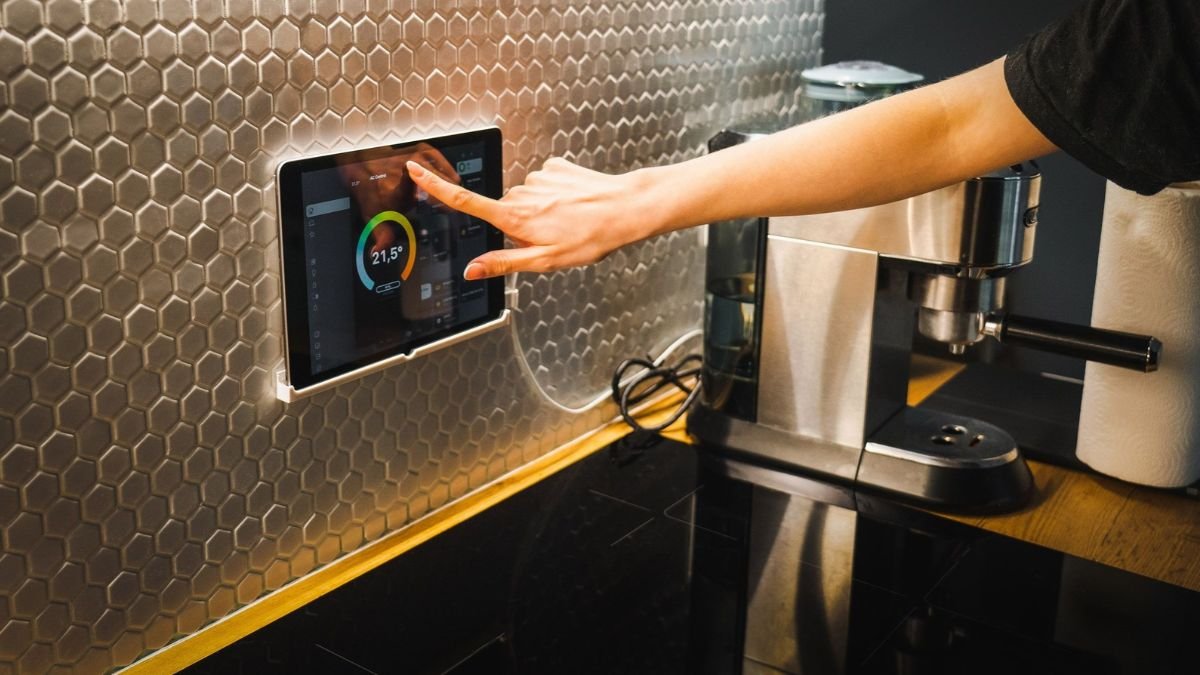
Today, a smart home is an achievable reality for every user, as there are many cheap connected gadgets that allow people to turn any home into a technologically advanced and efficient place. Through the use of a smartphone, voice commands, or automated systems, users may control appliances, security systems, temperature, and lighting in their homes.
However, building a smart home does not imply buying all available gadgets at once. There is an opportunity to upgrade step-by-step to make smart home construction a more reasonable process.
The best idea to start with is to think about what kind of problems may be solved using technology in one’s house. For example, some families might be concerned about electricity consumption, whereas other families might focus on security or comfort. Knowing which problems need to be solved, people may realize which upgrades would be more valuable.
At the same time, the compatibility of gadgets, internet access, and user-friendliness should be taken into account as well. Building a smart home is about getting the necessary upgrades, and then building out little by little.
Start with the Essentials: Smart Lighting and Plugs
For those just beginning with automation, smart lights and sockets are the simplest. There is no need for any complicated wiring or installation process when automating home functions. With smart lights, people can regulate their brightness, colour temperature, and lighting schedule using smartphone applications or voice commands.
People will be able to create lighting schedules so that lights switch on automatically during the night or gradually become brighter during the mornings to ensure a cozy atmosphere for waking up.
There is another easy start for beginners who want to automate their homes – they can buy smart plugs, which convert usual electrical appliances into automated gadgets. Lamps, fans, coffee machines, and any other appliances can be controlled from a distance.
Also, people may set up schedules for appliances, which helps them reduce energy expenses by switching off appliances that are not necessary at the moment.
This upgrade is especially useful because it is rather cheap, easy to install, and fits in with a lot of households. People may buy several smart lights for rooms they use often or plug in some devices and see how automation works without spending a lot of money.
Enhance Security with Smart Locks and Surveillance Systems
Home security is another factor to consider when making any improvements in your smart home. Smart locks, video doorbells, and surveillance cameras will help homeowners increase security on their properties and have better control over the processes. Homeowners can monitor the entrance areas, receive information about any activities taking place, and control access remotely via smartphones.
Smart locks can be considered convenient replacements for conventional locks. They can feature many useful functions like using PIN codes, biometrics, temporary codes, and remote access. The locks will come in handy for families, people who travel frequently, and people with many visitors at home. At the same time, homeowners should choose products with encryption and backup options.
Smart cameras and video doorbells help homeowners keep an eye on what happens around entrance areas, record everything, and get notifications about any movements nearby. There are products that give homeowners the opportunity to communicate with visitors using two-way communication.
When buying smart cameras, homeowners should consider privacy settings, data encryption, and a stable connection to the Internet.
Improve Comfort with Smart Thermostats and Climate Control
Smart thermostats and climate control systems have potential not only to increase indoor comfort but also help people to save on energy use. With their help, one can control heating, ventilation, and cooling according to personal needs, schedule, and occupancy patterns.
Thus, there is no need to keep changing the temperature settings manually all the time.
For instance, a smart thermostat lowers the temperature while people are not at home and restores the comfort of the indoor environment before returning from work. Climate control systems can include an occupancy sensor, learning algorithm, or geofencing for automatic control of settings. If there is a compatible air conditioner, then a smart infrared controller can do the same.
Climate control system updates are especially useful in places with hot summer weather or the need for heating and cooling. This way, the system does not work unnecessarily and thus uses less energy. Nevertheless, it depends on climate, personal schedule, type of equipment, and temperature preference.
It is necessary for individuals to find out if the smart thermostat works with the heating, ventilation, and air conditioning system or air conditioner before buying one. It would be wise for people to start by installing the device in one room first to assess how effective it will be.
Build a Connected Home with Smart Hubs and Voice Assistants
As people install additional smart devices, controlling them using different applications can be quite tedious. Smart hubs and voice assistants solve this problem by pooling compatible devices into one centralised control platform. This lets users manage lighting, appliances, security systems, and other functionality via a single interface or voice commands.
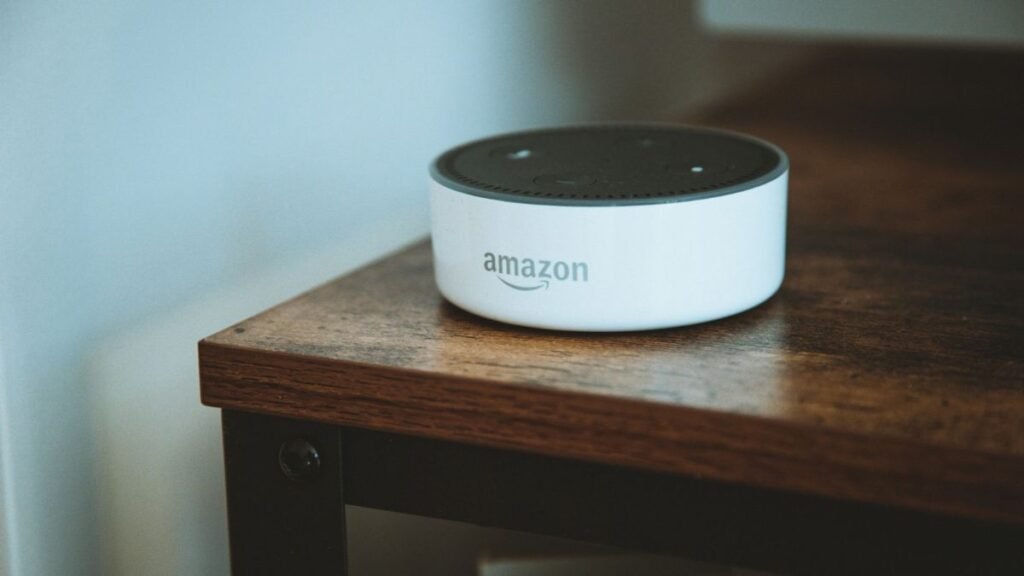
Voice assistants such as Amazon Alexa, Google Home and Apple Home come with many benefits. Users can use them to give commands to turn off lights, control temperatures in rooms, or check their devices without opening applications. They can even create combinations of several commands into one routine.
Smart hubs can play an important role in cases where different kinds of communication protocols are used for different devices, for example, Zigbee, Z-Wave, and Thread. It is necessary to consider their compatibility with smart equipment carefully. Matter protocol will help to increase the interoperability between compatible devices from different manufacturers.
The importance of this upgrade becomes apparent when people have already laid some smart foundations. There is no need to purchase an expensive hub at once, but rather start with a voice assistant and gradually add equipment as required.
Prioritize Energy Efficiency and Long-Term Savings
Energy efficiency must continue to be a key factor when developing smart homes. The technologies used will assist residents in identifying unnecessary electricity usage, automating energy-guzzling tasks, and making well-informed choices. While some modifications will initially have costs involved, they could lead to savings.
Smart energy meters measure the amount of electricity consumed and pinpoint which gadgets are using too much electricity. Smart plugs, which come with energy monitors, could do the same to identify which appliances use up too much power. Based on these findings, one can then plan how to control electricity usage in such a way as to reduce costs.
Others include automated shades, smart irrigation controllers, lighting that is energy efficient and smart water leak detectors. Automated shades help minimize unwanted heat that is transmitted to rooms, whereas smart irrigation helps one to control water usage in their gardens based on weather patterns and soil moisture levels.
Systems involving solar energy generation and battery storage may prove significant in a future when the smart home will be more developed; however, such solutions usually involve higher expenses.
By working with small efficiency increases first, people will have a chance to see the benefits gained before making large-scale changes. The goal here is to make one’s house intelligent in its resource consumption.
Conclusion: Creating a Smart Home That Grows with Your Needs
The construction of a smart house involves numerous steps that need to be undertaken systematically and with careful planning and appropriate investment.
The first step involves making upgrades that are necessary, such as installing smart lighting and smart plugs so that the person enjoys the advantages of the smart house without wasting too much money. Later on, other aspects like the installation of security systems, climate systems, smart hubs, and other upgrades can be made for additional convenience, safety, and comfort.
The most appropriate way is to make upgrades in a manner that solves one’s everyday issues, is compatible, reliable, and valuable. Privacy issues and cybersecurity should also be considered when choosing smart gadgets.
Most importantly, it should be remembered that the essence of smart houses does not lie in the number of gadgets but rather in the efficiency of the technology used in them.